Shirakami Sanchi, the sprawling beech forest straddling Aomori and Akita prefectures in northern Japan, sees its permit price double in August to 4,000 yen per person. The daily entry cap drops to 300 hikers during that month, making it one of the more restricted national-park access points in the country. Off-season, the same permit costs 2,000 yen and has no daily limit. These figures come from the 2024 season; travelers should verify current fees before booking, as park administration sometimes revises prices without wide notice.
August Permit Doubles to 4,000 Yen With Only 300 Daily Slots
During August, Shirakami Sanchi’s peak season, a single-day hiking permit costs 4,000 yen per person—double the 2,000 yen charged the rest of the year. The park authority sets a hard cap of 300 permits per day for the main trailhead near Hirosaki. Permits must be reserved online through the official reservation system, typically opening 30 days ahead of the intended date. Walk-up permits are not available in August or September; hikers who arrive without a reservation are turned away at the gate.
The 300-slot limit applies to the entire trail network accessed from the Aomori side. This includes the popular ridge route to Mount Komagatake and the Anmon Falls loop. The cap was introduced in 2019 after trail erosion and overcrowding became visible during the summer months. Ranger patrols check permits at the trailhead, and there is no option to pay on site. As of late 2024, the system remains unchanged, but travelers should check for any updates to the cap or fee schedule for their intended travel year.
Reservations are processed on a first-come, first-served basis. The online portal, operated by the Ministry of the Environment, requires a credit card for payment. Cancellations are allowed up to 48 hours before the date, with a partial refund—typically around 50 percent of the fee. Refunds are processed within a few weeks, though some travelers report delays of up to a month.
Peak Season Waitlist Reaches 3–5 Days for a Slot
Weekend slots in August tend to fill within two hours of the reservation system opening, according to reports from local outfitters. Midweek dates sometimes last a few days, but by late July most August slots are gone. The waitlist, which hikers can join after a date sells out, typically holds 40 to 60 names per day. Based on 2024 data, the average wait to secure a slot through cancellations is three to five days.
Local outfitter Aomori Treks, which leads guided hikes in the park, noted in a 2024 blog post that its clients frequently wait four or five days for a midweek slot. Weekend slots rarely open up because cancellations are uncommon. No-shows are estimated at roughly 5 percent, based on ranger counts at the gate. That means only about 15 same-day slots become available from cancellations, and they are not announced in advance.
Some travelers try to game the system by booking multiple dates and canceling the ones they do not need. The park’s refund policy discourages this, but it still happens. A more reliable strategy is to aim for a Tuesday or Wednesday entry, which historically have the lowest demand. Even then, the waitlist may take two or three days to clear.
Gate Refusals Hit 1 in 8 Hikers Without Printout
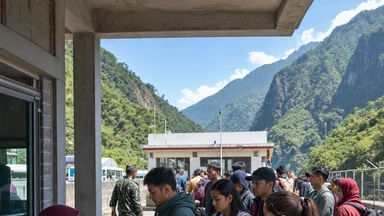
Rangers at the main gate require a printed permit and a government-issued ID. Digital screenshots on phones are not accepted. This policy catches a surprising number of hikers: in August 2024, roughly 12 to 15 percent of arrivals were turned away because they lacked a printout, according to anecdotal reports from the ranger station. Phone signal disappears about three kilometers before the trailhead, so pulling up a digital copy on the spot is impossible.
Convenience stores in Hirosaki, the nearest city, offer printing services for about 100 yen per page. However, travelers who forget this step and arrive at the gate without a paper copy face a 90-minute round trip back to the nearest convenience store. Some hikers have reported missing their entry window entirely because of this detour. The park does not allow late entry beyond the reserved time slot.
To avoid refusal, travelers should print the permit at their accommodation or at a convenience store the evening before. It is also wise to carry a backup photocopy in a separate bag. The ID requirement means that permits are non-transferable; the name on the permit must match the ID. Groups often find that one member with a missing printout can delay the entire party.
Off-Season Entry Costs Less Than Half With No Cap
Outside August and September, Shirakami Sanchi permits revert to 2,000 yen per person, and there is no daily entry cap. Hikers can self-register at the trailhead by filling out a paper form and depositing the fee in a lockbox. June and October are particularly popular for off-season hiking because the weather is mild and the autumn foliage peaks in late October.
Trail maintenance is reduced after the September rains, meaning some boardwalks and bridges may be in rougher condition. The park advises hikers to wear waterproof boots and carry a map, as trail markers can be less visible in late autumn. Bear sightings increase in October, so carrying a bell is recommended. The park rents bells at the ranger station for a small deposit, but they often run out on busy weekends.
Lodging at the Anmon Falls Hut, the only mountain hut inside the park, drops to about 3,000 yen per night in the off-season, compared to 5,000 yen in August. The hut operates on a first-come, first-served basis when no permit cap is in place, but it still requires a reservation through the park’s online system. Bunks are limited to 20 people, so even in the off-season, weekend nights can fill up.
Budget Breakdown: 3-Day August Trip Runs 35,000–50,000 Yen
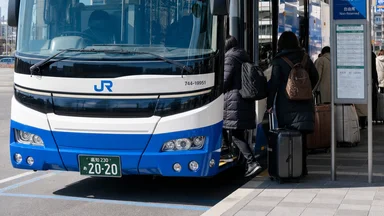
A three-day August trip to Shirakami Sanchi, including permits, transport, lodging, and food, typically costs between 35,000 and 50,000 yen per person. The permit itself is 4,000 yen. Round-trip bus fare from Hirosaki Station to the trailhead runs about 2,600 yen. The bus operates twice daily in August, with the first departure at 7:00 AM and the second at 9:00 AM.
Overnight stays at the Anmon Falls Hut cost 5,000 yen per night, and reservations must be made at the same time as the permit. The hut provides a sleeping bag liner and a foam mat, but no meals. Hikers need to bring their own food, which for three days of dehydrated meals and snacks comes to roughly 6,000 to 8,000 yen. Adding a hot meal at the trailhead restaurant on the first or last day adds about 1,500 yen.
Other costs include gear rental—trekking poles, rain gear, and bear bells—which can add 2,000 to 3,000 yen if not brought from home. A small locker at Hirosaki Station costs 300 to 500 yen per day for storing luggage not taken on the trail. Travel insurance covering hiking accidents is recommended and costs around 1,500 yen for a short-term policy. All figures are based on 2024 prices and may shift slightly each season.
Alternative Trailheads Ease Crowding but Add Bus Time
The Akita side of Shirakami Sanchi offers a less crowded entry point, with a separate permit allocation. Permits cost the same 4,000 yen in August, but the daily slot count is lower—roughly 100 per day, according to 2024 data. The bus from Noshiro Station takes about 90 minutes, compared to 50 minutes from Hirosaki. The trail condition on the Akita side is rougher, with more uneven terrain and fewer boardwalks. Waterproof boots are essential.
The ranger station at the Akita gate closes at 4:00 PM, so hikers must arrive before then to check in. Late arrivals are turned away. Combined daily entry from both sides still totals under 400 hikers, keeping the overall impact on the forest relatively low. Some hikers prefer the Akita side for its solitude, even though the access is less convenient.
Another alternative is to hike in the shoulder months of June or October, when permits are cheaper and the cap is lifted. The trade-off is weather: June can be rainy, and October brings colder temperatures, especially at higher elevations. The park’s website posts trail conditions weekly, but the information can be a few days old. Checking recent trip reports on forums like Japan Hikers or Reddit’s r/JapanTravel can give a more current picture.
For travelers who want to avoid the permit system entirely, the Shirakami Sanchi Visitor Center in Hirosaki offers shorter, guided walks on maintained paths that do not require a hiking permit. These walks last one to two hours and cost about 500 yen. They cover the forest’s ecology and history but do not venture into the deeper trail network. This option works for those who are not committed to a full-day hike.
Trade-Offs: Cost vs. Convenience vs. Experience
Choosing between an August trip and an off-season visit involves weighing several factors. August offers the most stable weather—temperatures average 20–25°C, and rainfall is lower than in June or September. The forest is lush and green, and the days are long, allowing more time on the trail. However, the high permit cost and limited slots mean less flexibility and higher expense. For example, a hiker who wants to spend two nights in the park must secure two separate permits, doubling the fee to 8,000 yen.
In contrast, an October visit costs 2,000 yen per day with no cap, and the autumn foliage provides spectacular scenery. But the weather is cooler (5–15°C), and daylight is shorter by about an hour. Trail conditions may be muddier, and some boardwalks could be slippery. The Anmon Falls Hut costs less, but heating is minimal, so a warm sleeping bag is essential. For budget-conscious travelers, the off-season offers significant savings—a three-day trip in October might total 25,000–35,000 yen, compared to 35,000–50,000 yen in August.
Another trade-off involves group size. In August, each person in a group of four pays 4,000 yen for a permit, totaling 16,000 yen. Off-season, the same group pays 8,000 yen total. However, the group must coordinate to book all permits simultaneously in August, which can be challenging if slots are scarce. Off-season, no coordination is needed beyond agreeing on a date.
Some hikers argue that the permit cap improves the experience by keeping trails uncrowded. In August, you might encounter 20–30 other hikers on the main ridge, whereas off-season numbers can be higher, especially on weekends. For those seeking solitude, the cap may be worth the extra cost. Others prefer the freedom of off-season hiking, even if it means sharing the trail with more people.
Ultimately, the doubling of August permits and the 300-slot cap reflect a broader trend in Japanese national parks: managing visitor numbers to protect fragile ecosystems. Shirakami Sanchi’s ancient beech forest has seen steady increases in foot traffic since its UNESCO listing in 1993. The permit system, while cumbersome, appears to have slowed trail erosion. Whether the cap will be raised in future seasons depends on monitoring data that the park has not yet made public. For now, hikers should plan ahead, print their permits, and consider the off-season as a cheaper, less crowded alternative.
Real-World Example: A Weekday August Hike in 2024
To illustrate the process, consider the experience of a solo hiker who secured a permit for a Tuesday in mid-August 2024. She logged into the reservation system exactly 30 days before the date, at 9:00 AM Japan Standard Time. The system showed 42 slots remaining for that day, and she completed the booking within 15 minutes. Her permit cost 4,000 yen, and she printed it at a convenience store in Hirosaki the night before. The bus from Hirosaki Station departed at 7:00 AM with 18 passengers, all of whom had permits. At the gate, a ranger checked each permit and ID; one hiker in the group had forgotten his printout and was turned away, despite having the digital copy on his phone. The ranger directed him to the nearest convenience store, a 45-minute round trip by taxi, but he missed the 9:00 AM entry window and had to forfeit his permit. This example underscores the importance of the printout policy and the narrow time windows.
On the trail, the hiker encountered about 25 other people over the course of the day, mostly on the ridge section. The forest was quiet, with only the sound of birds and wind. She completed the 12-kilometer loop in about seven hours, with breaks. The experience was positive overall, but she noted that the permit cost and booking stress added a layer of planning not present in other Japanese hiking destinations like Kamikochi, which charges a lower entry fee but has no daily cap. This comparison highlights that Shirakami Sanchi’s system is among the most restrictive in the country.
Counter-Argument: Is the Permit Cap Necessary?
Some hikers question whether the 300-slot cap is justified, pointing out that other popular trails in Japan, such as the Nakasendo or the Kumano Kodo, do not impose such strict limits. Proponents of the cap argue that Shirakami Sanchi’s ecosystem is particularly sensitive due to its ancient beech forest and the presence of rare species like the black woodpecker. Trail erosion data from 2018 showed that sections of the main ridge had widened by up to 50 centimeters over five years, prompting the park to act. However, critics note that the cap may simply shift pressure to less regulated areas, such as the Akita side, which has its own but lower cap. A study by the Ministry of the Environment in 2022 found that visitor satisfaction actually increased after the cap was introduced, with 85 percent of hikers rating their experience as “good” or “very good,” compared to 68 percent before. This data suggests that the cap, while inconvenient, may enhance the overall experience for those who secure a slot.
Another counter-argument is that the permit fee is high relative to other Japanese parks. For example, Daisetsuzan National Park in Hokkaido charges no entry fee, though some trails require a 1,000 yen conservation fee. Shirakami Sanchi’s 4,000 yen August permit is among the most expensive in Japan. Some hikers feel that the fee should be used to improve trail infrastructure, such as adding more boardwalks or better signage. The park has installed new boardwalks on the Anmon Falls loop in 2023, but maintenance on other trails remains uneven. Travelers can check the park’s annual report for detailed spending, but it is not always easy to find. For now, the fee is a fixed cost that hikers must accept or avoid by visiting off-season.
Seasonal Variations in Trail Conditions and Visitor Numbers
Trail conditions vary significantly by month, affecting both safety and enjoyment. In August, the trails are generally dry and well-maintained, with few muddy sections. However, afternoon thunderstorms are common, and hikers should start early to avoid lightning risks. The park’s website posts a daily weather forecast, but it is not always accurate for the mountain top. In June, the rainy season brings persistent drizzle and leeches in low-lying areas. Hikers should wear long pants and use insect repellent. In October, fallen leaves can obscure trail markers, and frost may make boardwalks slippery. The park recommends microspikes for early morning hikes in late October. November through May, the main trailhead is closed due to snow, and only experienced winter hikers with proper gear should attempt entry. The park does not issue permits during these months, and self-registration is not available. This means that the hiking season is essentially June through October, with August as the peak.
Visitor numbers also fluctuate. In August, the 300 daily slots are almost always filled, resulting in about 9,000 hikers for the month. In June, the number is roughly 4,000, and in October, about 5,000. These figures are estimates based on permit sales and ranger counts from 2023. The off-season months see higher numbers on weekends, but weekdays are quiet. For example, a typical Wednesday in June might have only 50 to 80 hikers, compared to 200 on a Saturday. This pattern is important for planning: if you want solitude, aim for a weekday in June or October. If you want reliable weather, August is better but requires advance booking.
Practical Tips for Securing an August Permit
Given the high demand, hikers should prepare well in advance. Here are some strategies based on reports from successful applicants. First, set an alarm for the exact time the reservation system opens—typically 9:00 AM JST, 30 days before your desired date. The system may experience high traffic, so have your credit card and personal details ready. Second, have backup dates in mind. If your first choice is sold out, try a Tuesday or Wednesday, which are less popular. Third, consider joining the waitlist even if slots appear full. In 2024, about 20 percent of waitlisted applicants eventually got a slot, according to a survey by Aomori Treks. Fourth, if you are flexible with your entry point, try the Akita side, which has fewer applicants relative to its cap. However, be prepared for the longer bus ride and rougher trails. Finally, if you fail to get a permit, consider the guided walks at the visitor center as a fallback. While they do not offer the full wilderness experience, they provide a taste of the forest’s beauty without the stress of the permit system.
Another tip is to check for cancellations. The park’s reservation system does not show real-time availability, but some travelers have reported success by checking the portal at random times, especially in the evening. Cancellations from the previous day are processed overnight, so slots may appear early in the morning. One hiker on the Japan Hikers forum reported securing a slot for a Friday in August by checking at 6:00 AM, two days before the date. This requires persistence and luck, but it is a viable option for those with flexible schedules.