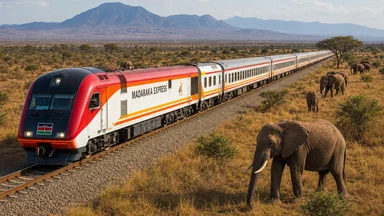
The Madaraka Express, operated by Kenya Railways, runs between Nairobi and Mombasa twice daily: a day train departing around 8 AM and a night sleeper leaving at 7 PM. Both cover the roughly 470-kilometer route in about five hours, but the experience differs sharply. For travelers trying to decide, the choice is not just about price—it is about how you value your time, comfort, and the chance to see elephants from a train window.
Why the Night Sleeper Feels Like a Betrayal of the Senses
The night sleeper departs Nairobi at 7 PM sharp. Passengers board at the Nairobi Terminus, a modern station south of the city center, and find their bunks folded into compartments. The bunks are not beds in the hotel sense—they are padded benches that convert to sleeping surfaces, with a thin mattress and a pillow provided. By 9 PM, the dining car closes, leaving only vending machines with snacks and warm bottled water.
Toilets on the night train are shared at each carriage end. By early morning, queues form as passengers wake up before the 6:30 AM arrival in Mombasa. The train does not stop for fresh air, and the cabin air grows stale. Many passengers report arriving groggy, with stiff necks from the angled bunks.
The night train costs roughly 4,500 KES per berth, including bedding. That is about 1,500 KES more than a first-class day seat. But the sleeper saves you a night of accommodation—if you would otherwise pay for a hotel in Mombasa or Nairobi. For a solo traveler, that saving may not offset the discomfort. For a couple, it starts to make sense.
One overlooked detail: the night train lacks power outlets at every bunk. Only certain compartments have them, and they are often occupied by other devices. If you rely on your phone for entertainment, bring a fully charged power bank.
Consider a scenario where a solo traveler named Lisa books the night sleeper from Nairobi to Mombasa. She pays 4,500 KES for her berth and arrives at 6:30 AM. Her hotel in Mombasa, a mid-range guesthouse near Nyali Beach, charges 3,500 KES per night. She arrives too early for check-in (usually 2 PM) and ends up paying an extra 1,000 KES for early check-in or storing her luggage. She also buys breakfast at a café near the station for 500 KES because the train's vending machine snacks were insufficient. Her total cost for that leg becomes 6,000 KES, including the berth, extra fees, and breakfast. In contrast, a day train first-class ticket costs 3,000 KES plus 900 KES for lunch, totaling 3,900 KES. Lisa's night sleeper journey cost her 2,100 KES more than the day train, and she arrived tired. For her, the night train was not a bargain.
On the other hand, a couple, Mark and Jane, take the night sleeper together. They book a compartment with two bunks for 9,000 KES total. They arrive in Mombasa at 6:30 AM and store their luggage at the hotel for free (the hotel offers this service). They spend the morning exploring Fort Jesus and Old Town, then check in at 2 PM without extra charge. They skip one night of accommodation because they traveled overnight, saving 3,500 KES. Their net cost for the sleeper is 5,500 KES, compared to 7,800 KES for two day-train tickets plus lunches. They saved 2,300 KES and had an adventure. For couples who sleep well on trains, the night sleeper can be a smart choice.
The Day Train’s Climate-Controlled Reality Check
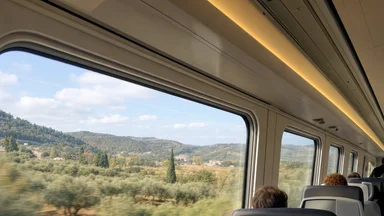
The day train leaves Nairobi at 8 AM and arrives in Mombasa around 1 PM. First-class seats recline about 45 degrees—enough to nap but not lie flat. Each seat comes with a free 500-milliliter water bottle and a small snack pack containing biscuits and juice. The carriage is air-conditioned, but window shades are mandatory on the sunny side to reduce glare, which can disappoint photographers.
Lunch is served in the dining car or at your seat via trolley service. A typical plate costs around 600 KES—chicken or beef with rice, vegetables, and a chapati. Coffee and tea cost extra, roughly 100–150 KES each. A full meal plus a drink adds about 900 KES to your ticket cost, bringing the total for a day-train first-class ticket to roughly 3,900 KES.
The day train arrives at Mombasa Terminus at 1 PM, leaving the entire afternoon for beach time or sightseeing. However, the station is about 30 minutes from the main tourist beaches like Nyali or Diani, depending on traffic. By the time you check into your hotel, it may be 2 PM or later.
First-class day tickets sell for 3,000 KES per adult. Second class costs about 1,500 KES but offers less comfortable seats and no guaranteed meal service. For the extra cost, first class provides more reliable air conditioning and cleaner toilets.
Take the example of a family of four: two adults and two children (ages 8 and 10). On the day train, they book four first-class seats for 12,000 KES total. They order two lunches for the adults (1,800 KES) and share snacks with the kids from their own supplies. Total cost: 13,800 KES. The children enjoy the scenery and can move around the carriage (under supervision). The family arrives at 1 PM and checks into their beach resort by 2:30 PM, spending the afternoon swimming. On the night sleeper, they would need two compartments (four berths) costing 18,000 KES, plus they would still need to pay for a night of accommodation because the children might not sleep well on the train. The day train is clearly more practical and cheaper for this family.
Cost Breakdown That Exposes the Hidden Premium
To compare apples to apples, consider a round trip from Nairobi to Mombasa and back, with two nights in Mombasa. The day train round trip costs 6,000 KES for first class, plus two lunches at 900 KES each, totaling 7,800 KES. The night sleeper round trip costs 9,000 KES for berths, but you save one night of accommodation because you arrive in Mombasa early morning and can check in directly. If a budget hotel costs 3,000 KES per night, the sleeper effectively costs 6,000 KES—cheaper than the day train.
But that math assumes you sleep well on the train. If you are a light sleeper, you may need a hotel room on arrival anyway, negating the saving. A couple traveling together might share a berth compartment (two bunks), costing 9,000 KES total for the sleeper round trip versus 12,000 KES for two day-train seats plus lunches. The sleeper saves them 3,000 KES, enough for a nice dinner in Mombasa.
Uber fares from Nairobi city center to the station cost roughly 1,200 KES one way, regardless of which train you take. Add that to both ends, and the total trip cost rises by 2,400 KES round trip. Some travelers opt for the cheaper matatu (minibus) to the station, which costs about 100 KES but takes longer and is less comfortable.
For a group of four, the day train is easier to coordinate because you all sit together in a row of four seats. The night sleeper requires booking two compartments of two bunks each, which may not be adjacent. The cost difference narrows: four day-train tickets cost 12,000 KES plus 3,600 KES for lunches, totaling 15,600 KES. Four sleeper berths cost 18,000 KES, saving 2,400 KES if you skip one night of accommodation—but only if you all agree to share a compartment.
Let's consider a counter-argument: some travelers argue that the night sleeper allows them to save on two nights of accommodation if they book a round trip. For example, a traveler from Nairobi takes the night sleeper to Mombasa, spends one day there, then takes the night sleeper back to Nairobi the same night. They arrive in Nairobi at 6:30 AM and go straight to work. They saved two nights of hotel costs (6,000 KES) and only paid for the sleeper berths (9,000 KES round trip). Their total cost is 9,000 KES, compared to 7,800 KES for the day train round trip plus two nights in a hotel (6,000 KES) totaling 13,800 KES. The sleeper saved them 4,800 KES. However, this schedule is grueling: they arrive in Mombasa at 6:30 AM, have a full day of activities, then board the 7 PM return train, arriving back at 6:30 AM the next day. They get very little sleep over two nights. For a young, energetic traveler, this might be acceptable, but for most people, the lack of rest leads to a miserable experience.
Time Budget: How Each Service Eats Your Day
The day train consumes roughly 5 hours of travel time plus 2 hours of waiting and transit—about 7 hours total from your hotel in Nairobi to your hotel in Mombasa. That leaves the afternoon free. The night sleeper takes 11 hours from departure to arrival, but those hours are overnight, so you lose no daylight. However, you arrive at 6:30 AM, and most hotels do not allow early check-in without an extra fee. You may end up waiting in the lobby or storing your luggage and exploring Mombasa tired.
Nairobi traffic to the station takes about 45 minutes on average, but during peak hours it can stretch to 1.5 hours. The day train requires arriving at least 30 minutes early for boarding, so you need to leave your accommodation by 6:45 AM for an 8 AM departure. The night train leaves at 7 PM, so you leave by 5:45 PM—easier to manage if you have a full day of meetings or sightseeing.
In Mombasa, traffic from the station to the beach areas takes 30 minutes to an hour, depending on the time of day. The day train arrives at 1 PM, when traffic is moderate. The night train arrives at 6:30 AM, when traffic is light, so you can reach your hotel quickly—but again, early check-in is unlikely.
If you are on a tight itinerary, the day train lets you do a same-day round trip: leave Nairobi at 8 AM, arrive Mombasa at 1 PM, have lunch, then catch the 4 PM return train (if available) back to Nairobi by 9 PM. That is a 13-hour day, but feasible for a business meeting. The night sleeper does not allow this because the return night train departs Mombasa at 7 PM, arriving Nairobi at 6:30 AM the next day.
For a business traveler like Peter, who needs to attend a meeting in Mombasa at 2 PM, the day train is ideal. He leaves Nairobi at 8 AM, works on his laptop during the journey (power outlets are available in first class), arrives at 1 PM, takes a taxi to the meeting venue by 1:45 PM, and is back on the 4 PM return train by 4:30 PM, arriving in Nairobi at 9 PM. He spends 13 hours total but accomplishes his goal without an overnight stay. The night sleeper would require him to leave Nairobi at 7 PM the night before, arrive at 6:30 AM, wait until the meeting, then take the night sleeper back, arriving in Nairobi at 6:30 AM the next day. He would lose two nights of sleep and be less productive. For business, the day train wins.
The Tsavo Window No One Mentions
The day train passes through Tsavo East National Park for about an hour between 11 AM and noon. This stretch offers views of elephants, giraffes, zebras, and antelopes from the train window. The left side of the train (facing Mombasa) is better for wildlife viewing, as the park lies to the south of the tracks. Passengers on the right side see mostly scrubland and distant hills.
The night train passes the same stretch in darkness. You see nothing. Even if you stay awake, the train's windows are tinted and the outside is pitch black. Wildlife may be present but invisible. Photographers and nature enthusiasts strongly prefer the day train for this reason.
Some travelers book the day train specifically for the Tsavo crossing, treating it as a mini safari. Binoculars help, but even without them, elephants are often visible close to the tracks. The train does not stop, but it slows to around 60 km/h through the park, giving you several minutes to watch.
If you are on the night sleeper, you miss this entirely. There is no alternative route or stop that compensates. The only way to see Tsavo from the train is to take the day service.
Consider the experience of a wildlife photographer named David. He books the day train from Nairobi to Mombasa specifically to photograph elephants from the train. He sits on the left side of the carriage, near a window, and uses a camera with a 200mm lens. During the Tsavo crossing, he captures images of a herd of elephants drinking from a waterhole about 50 meters from the tracks. He also photographs giraffes and zebras. He estimates that he gets at least 20 usable shots. On the night sleeper, he would have zero photographs. For him, the day train is the only option, and he is willing to pay the lower fare (3,000 KES) rather than the night sleeper (4,500 KES) because he values the scenery.
Another traveler, Sarah, is a budget backpacker who cares little about wildlife. She wants to save money and sleep through the journey. She books the night sleeper and sleeps through the Tsavo crossing anyway. She arrives in Mombasa at 6:30 AM, stores her bag, and explores the city on foot. She saves on accommodation and enjoys the early morning calm. For her, the night sleeper is perfect.
Who Wins the Math: The Budget Traveler’s Verdict
For a solo traveler on a tight budget, the day train is cheaper by roughly 300 KES per round trip, assuming you do not need a hotel on arrival. But if you are a light sleeper who would need a hotel anyway, the day train wins outright. For a couple, the sleeper saves money on accommodation, making it the cheaper option by about 3,000 KES round trip. However, that saving comes at the cost of sleep quality.
Groups of four or more find the day train easier to manage, as seating is together and meal service is straightforward. The sleeper requires splitting into compartments, which can be inconvenient for families with young children. Business travelers tend to choose the day train because they can work on a laptop (power outlets are available in first class) and arrive in time for afternoon meetings. Tourists often prefer the day train for the scenic value, especially the Tsavo window.
There is no universal winner. The choice depends on your priorities: cost, comfort, daylight, or wildlife. If you value sleep above all, the night sleeper may still disappoint, but it is the only option that lets you travel overnight. If you want to see elephants, the day train is the only choice.
One final note: both trains sell out. Booking at least three weeks ahead is advisable, especially during peak season (July–August and December–January). The Kenya Railways website shows real-time availability, but it is not always accurate. Calling the station directly can confirm.
To summarize the trade-offs, here is a quick reference: solo budget traveler → day train (cheaper and more comfortable); couple → night sleeper if both can sleep on trains, otherwise day train; family with kids → day train for convenience and scenery; business traveler → day train for productivity and schedule flexibility; wildlife enthusiast → day train for Tsavo views; night owl who wants to save on accommodation → night sleeper if you can handle the discomfort. The math is not just about money—it is about how you want to spend your time and energy. Choose wisely.